Buyers comparing Parker to Lucas and Fairview almost always start with the same number. Zillow's ZHVI put the average Parker home value at $1,109,674 as of May 31, 2026, down 2.0% year over year, and that figure lands in every relocation deck we see. It is also the least useful number in the conversation.
Parker's premium is not really priced in dollars per acre. It is priced in usable footprint, and the town's zoning code puts a hard ceiling on how much of your acre you are allowed to use. Once you understand that ceiling, the March 2026 sales tape, the active fight over the Restore the Grasslands development, and the price gap between a Parker acre and a Lucas acre stop looking like coincidences. They start looking like the same story.
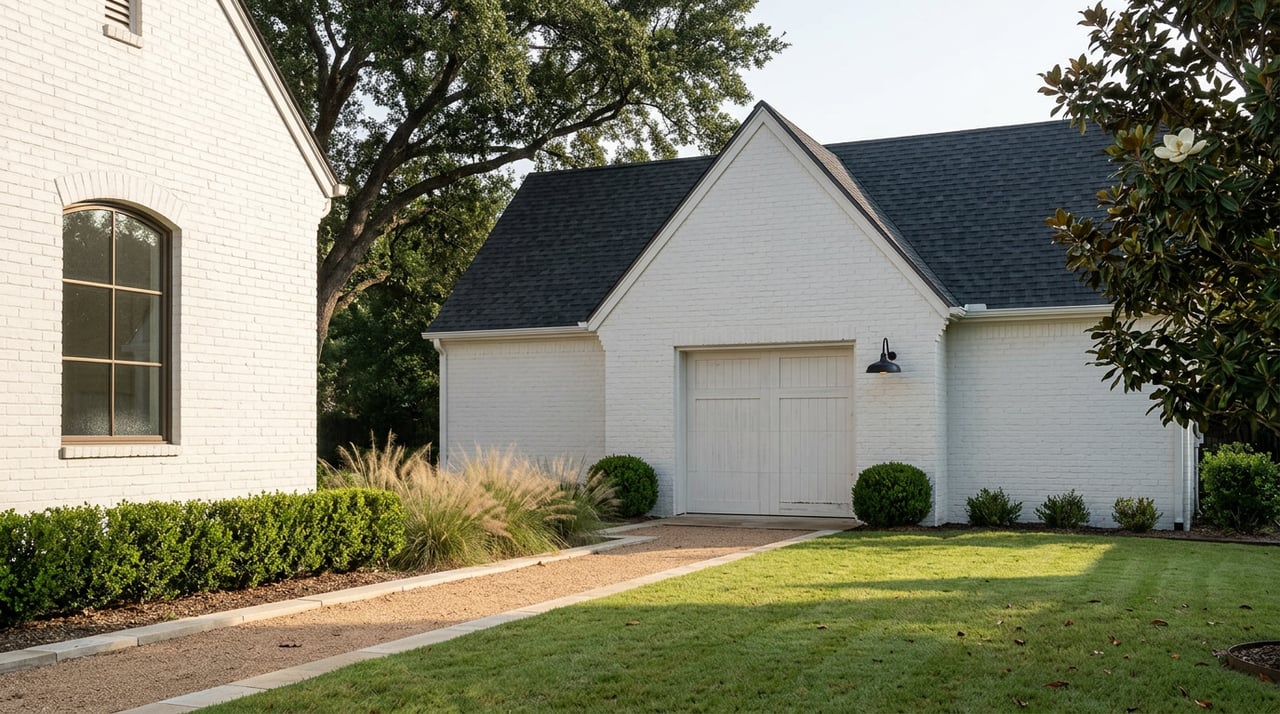
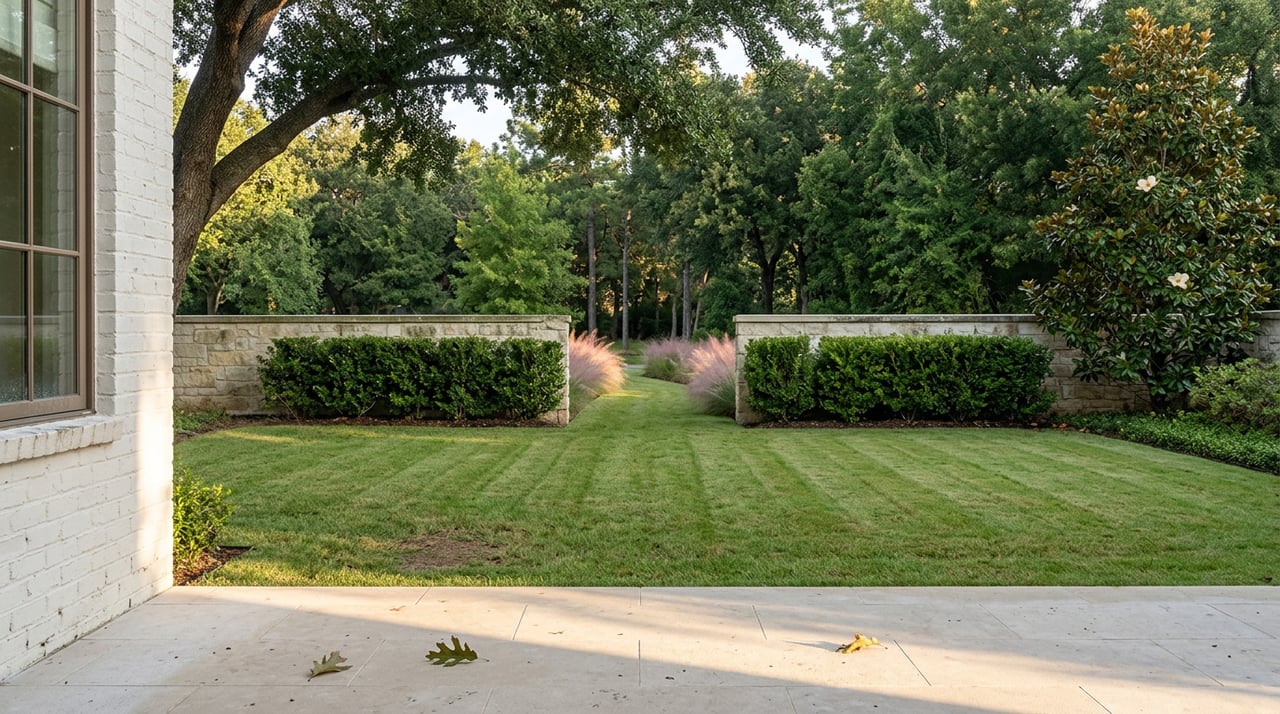
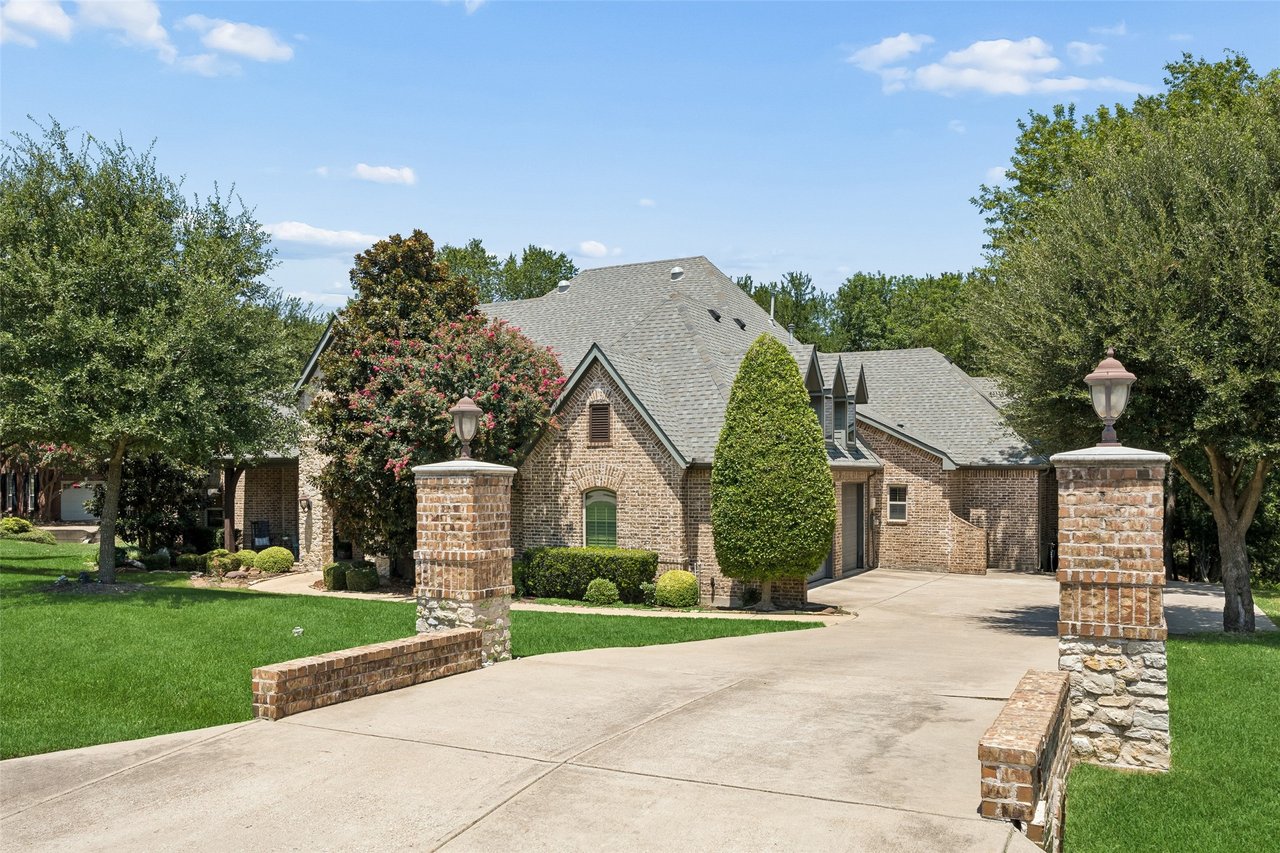
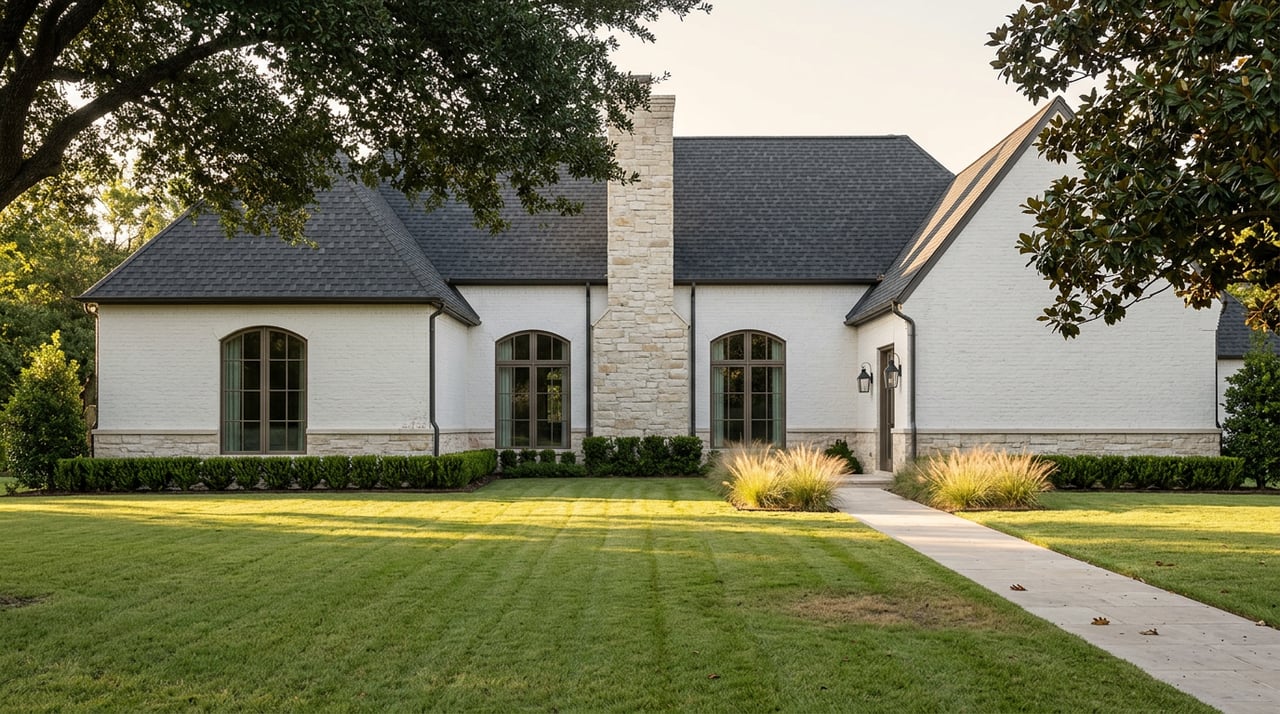
If you're planning on maximizing the coverage on your acreage lot
Parker's Single-Family Transitional district sets a minimum lot size of one acre net, an average lot size of no less than 1.5 acres net across a subdivision, and a maximum lot coverage of 20% that is explicitly inclusive of all structures. The town's older Single-Family Residential classification pushes the minimum to two acres net.
Twenty percent of 43,560 square feet is 8,712 square feet. That is the legal ceiling on everything you can put on a one-acre SFT lot: the house, the detached garage, the pool house, the covered outdoor kitchen, the guest casita. Accessory buildings alone are capped at 10% of the lot. On a two-acre SF parcel, the ceiling rises to 17,424 square feet, and that is where most of Parker's true estate footprints live.
This is why the "cost per acre" framing collapses on contact with Parker. A buyer paying $1.25 million for a 1.2-acre lot in a Parker subdivision is not buying 1.2 acres of build-out. They are buying roughly 10,450 square feet of legal coverage on top of the land itself, and the rest is required to stay open. That structural scarcity, not the acreage number, is what the market is actually pricing.
Parker's five closed sales in march
Parker recorded five closed sales in March 2026 at a $999,000 median, per NTREIS data compiled locally. Active listings sat at 29, down 14.7% year over year, average days on market ran 48, and the sale-to-list ratio held at 95.0%, essentially unchanged from March 2025. Months of supply printed at 5.7, which on paper reads buyer-leaning.
Pricing custom homes on acreage lots in small markets like Fairview, Lucas, and Parker is extremely difficult for agents and appraisers alike. We rarely have a close comparable and sometimes have no comparables at all in a two- or three-month period. Ask five different appraisers and agents who know the area where a home will sell, and you'll get five different answers. More often than not, it comes down to an agent's instincts and experience within the area in determining what the market will bear. I like to say "It's an art, not a science".
The operative signal in the town data is not the median. It is the ratio of listings to sales. Twenty-nine active homes against five monthly closings, in a town where every lot is at least an acre and coverage is capped at 20%, means comps for any specific pocket, Parker Ranch versus Whitestone Estates versus Dublin Road Estates, are effectively hand-built for each transaction. Buyers who wait for the "market" to tell them a price will wait past the property they wanted.
Parker's Rulebook VS Its Neighbors
Rule | Parker (SFT) | Parker (SF) | Lucas (R-1 / R-1.5 / R-2) | Fairview (typical estate) |
|---|---|---|---|---|
Minimum lot | 1 acre net | 2 acres net | 1, 1.5, or 2 acres by district | Varies by PD, often 1 acre+ |
Average lot required across a subdivision | 1.5 acres net | Not specified as average | Set by district | Set by PD |
Maximum lot coverage | 20% inclusive of all structures | 20% inclusive of all structures | Higher and more permissive | Higher and more permissive |
Accessory building cap | 10% of lot area | 10% of lot area | Not comparably capped | Not comparably capped |
Perimeter fencing on interior lots | Six feet, 50% open construction required | Six feet, 50% open construction required | More permissive | More permissive |
The takeaway is not that one town is better. It is that Parker is the only one of the three that writes a footprint ceiling and an accessory-building ceiling into the base zoning. A luxury buyer who wants a 9,000-square-foot main house plus a detached guest house plus a pool cabana can build that program on a Lucas or Fairview acre. In Parker, that same program starts pushing you onto a two-acre SF lot before the drafting even begins. That is the mechanism behind the price gap the portals show but do not explain.
The "Restore the Grasslands" fight
On June 5, 2026, the City of Parker learned that a final plat for the Restore the Grasslands development had been added to the Collin County Commissioners Court consent agenda for June 8. The tract in question sits on approximately 103 acres adjacent to Parker's city limits, tied to a proposed Collin County Municipal Utility District No. 7. The county agenda materials described roughly 624 residential lots on about 100 acres. To learn more about this project, you'll find some interesting articles on this Google Link
Parker's public position, posted to the city's transparency page, is that the municipality is willing to move toward an agreement for 170 detached single-family homes on the RTG tract, with the city providing water and sewer, contingent on resolution of ingress and egress, TxDOT driveway permits, groundwater review, TCEQ water and wastewater permits, a proposed wastewater treatment plant, flood study review, and emergency-service coordination. Mayor Pettle, Mayor Pro Tem Buddy Pilgrim, and Council Member Roxanne Bogdan have led the public comment process.
The city has communicated its willingness to move forward toward agreement to 170 detached single-family homes on the approximately 103-acre RTG property, contingent on resolution of the listed key issues and a safe ingress and egress configuration.
The distance from 624 lots to 170 lots is the interesting number. That is a 73% reduction from the developer's plat to what Parker is willing to countenance. For a buyer weighing whether Parker's supply constraint is a durable feature or a passing accident, the RTG process is a live demonstration that the town is actively defending density rules that most Collin County municipalities have relaxed. That defense is what makes the 20% coverage cap credible over a ten-year hold, and it is why the acreage-tier price band has stayed durable even as county-level medians drifted.
If you're buying a lot in Parker, here are some suggestions
If you are underwriting a Parker purchase in the second half of 2026, the following sequence is more useful than a portal comp set.
- Ask the listing agent for the recorded plat and the deed restrictions before the second showing. Coverage math is done off the platted lot area net of easements and rights of way, not the tax card acreage.
- Total every structure on the property, including detached garages, pool decking under roof, porte cochere, and outbuildings. Compare against the 20% ceiling. Any addition you are planning has to fit under whatever headroom remains.
- Separate SFT lots from SF lots in your comp search. A one-acre SFT comp and a two-acre SF comp are not substitutes at the luxury tier, and treating them as such is how buyers overpay on the low end and underbid on the high end.
- Confirm whether the property is served by city water and sewer or by well and septic. Lucas taught this market that septic paperwork can rewrite a closing timeline, and Parker's mix of city-served and self-served lots means the answer is property-specific.
- Ask specifically whether the parcel sits within the SFT boundary, the SF boundary, or the ETJ. Buffer yard setback rules add 50 feet of additional side or rear setback where adjacent jurisdictions permit sub-three-quarter-acre lots, and that can materially shrink your buildable envelope.
- Read the Restore the Grasslands transparency page on the city site before you write. The infrastructure conditions Parker is negotiating are the same conditions that will shape reroute and driveway timelines on any lot near the tract.
None of this appears on a portal listing. All of it appears in the closing file.
FAQ
Does the 20% coverage cap apply to pools and hardscape? The ordinance language covers structures. Pool surfaces themselves are treated differently from covered structures, but pool houses, covered outdoor kitchens, pergolas with solid roofs, and porte cocheres count. Confirm the current interpretation with Parker Planning and Zoning before you close, because pergola and cabana treatment has shifted over time in comparable municipalities.
If the tape is only five sales a month, how do you price a Parker listing? Off the plat, off the coverage headroom, off recent closings in the same subdivision or the nearest comparable subdivision within twelve months, and off the current active set as a competitive frame rather than a value frame. A monthly median across five heterogeneous transactions is not a pricing input.
Should the RTG outcome change my Parker buying decision? It should sharpen it. A negotiated 170-lot outcome preserves the scarcity that supports acreage-tier pricing. A 624-lot outcome would introduce a different supply picture on the eastern edge of town. Track the Collin County Commissioners Court agenda and the city's transparency page rather than secondhand summaries.
Parker rewards buyers and sellers who understand that the acre is the setting, not the asset. The asset is the coverage headroom, the plat language, and the town's willingness to defend the rules that create the scarcity in the first place. If you are preparing to buy or list in Parker this year and want the plat, the coverage math, and the current comp set read against your specific program, The Grisak Group has been selling homes in Parker for 25 years, so we know this small town well.