A seller in one of Fairview's custom-home neighborhoods lists in July. The house shows well, the offer comes in within the first two weeks, and everything about the transaction looks routine until the title company sends its first email asking for the resale certificate. Buried in the file is a shed that went up without architectural approval, and a sport court poured a few years later that never got a permit from the town. Neither has caused a problem across years of ordinary living. Both are about to become the reason the closing date moves.
This is not a story about inspections or financing. It is a story about paperwork that most sellers never think to open until someone else asks for it, and about two separate ten-business-day review windows that, handled reactively, stack instead of overlap.
Two Clocks, Not One
Fairview's HOA-governed neighborhoods, communities like Oakwood Estates and its neighbors Summer Hill Farms, Tranquility Farms, River Oaks, and Willow Point Estates, run two compliance processes that a seller might assume are the same thing. They are not.
The first is the Architectural Control Committee review inside the HOA itself. Before painting an exterior, adding a shed, building an outdoor kitchen, or making any structural change, an owner submits plans to the ACC, and Oakwood's own guidance states the review process can take up to 10 business days.
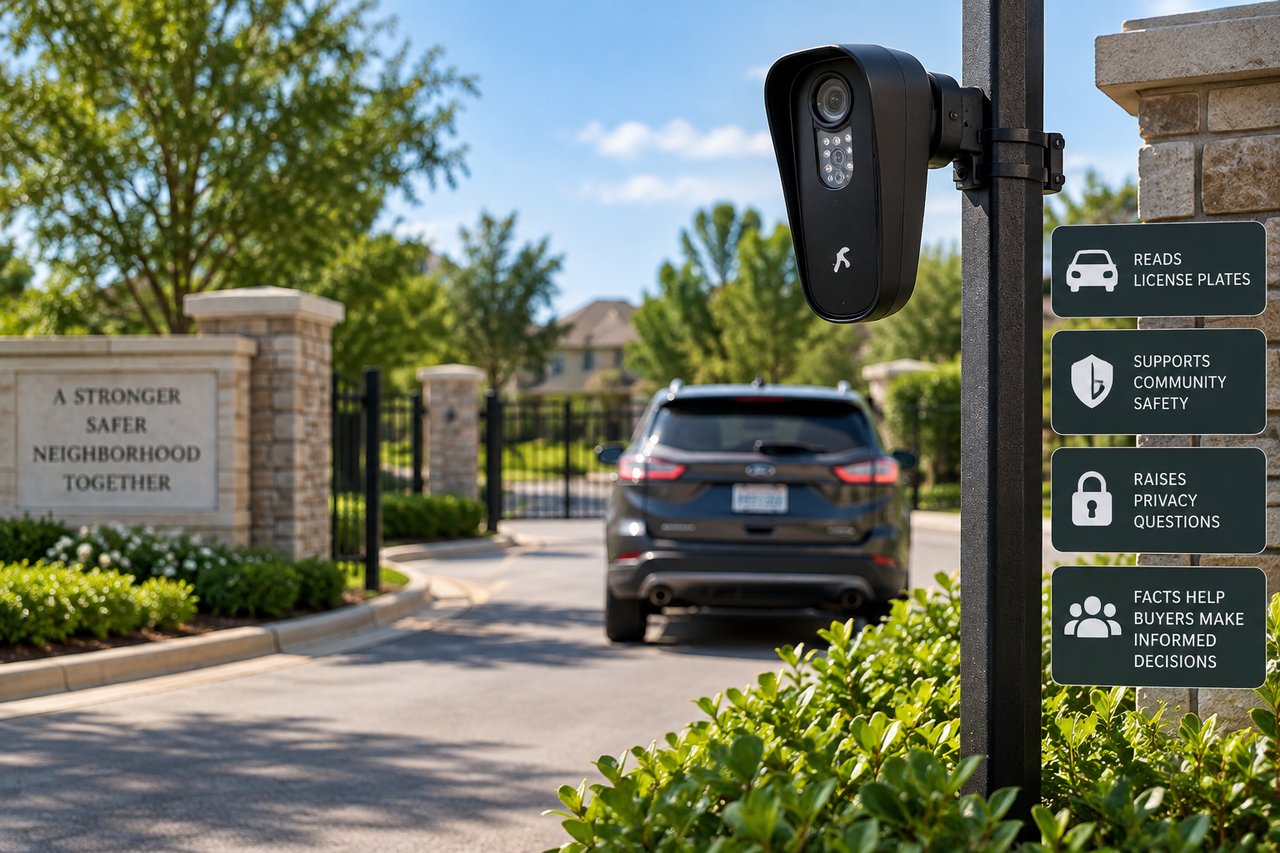
The second clock belongs to the state, not the HOA. Texas Property Code Chapter 207 requires every property owners' association to produce a resale certificate before a sale closes, and the association has ten business days from a proper written request to deliver it. If an updated certificate is needed within 180 days of the first one, the turnaround shortens to seven business days.
Two ten-day windows. If a seller waits until an offer is accepted to start either one, they run sequentially rather than in parallel, and a 30-day option period starts absorbing weeks it was never built to hold.
What's Actually Sitting in an Oakwood ACC File
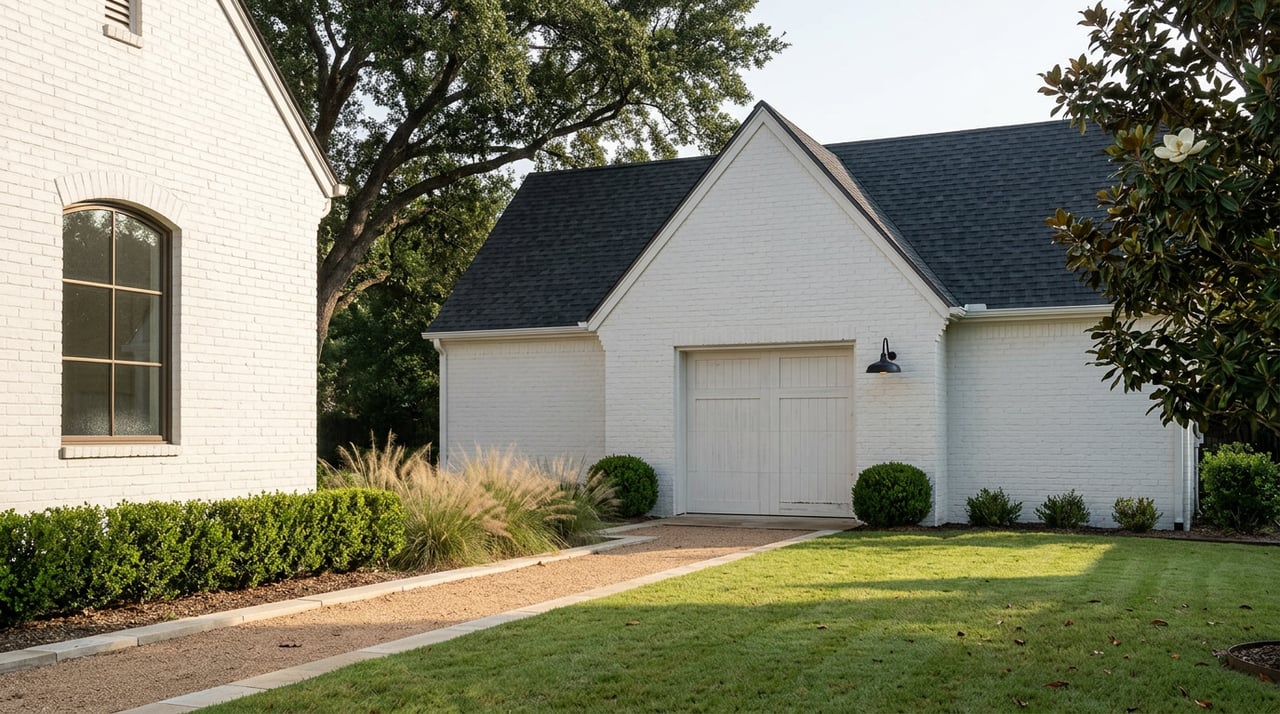
The ACC's job is not decorative. In Fairview's custom-home communities, it is the record of what was ever supposed to be approved and what was not, and it accumulates over the life of a home. The HOA's covenants require every accessory structure to be custom built, which means prefabricated kits, the kind of shed sold ready to assemble, are not permitted at all under Oakwood's rules. A homeowner who bought one anyway, or inherited one from a previous owner, is sitting on a violation that predates them but still belongs to the property.
The same file tracks additions, fence changes, and anything visible from the street, and it is the first place a resale certificate request will surface an open item. Sellers who have never had a reason to look at their own ACC history are often surprised at what shows up once someone finally asks.
When the Sport Court Becomes the Sticking Point
Fairview regulates outdoor sport courts and larger accessory structures separately from the HOA, and this is where timelines can stretch furthest. Under the Town's Ordinance 2022-18, adopted September 6, 2022, hard-surface sport courts require a Conditional Use Permit, and so do outbuildings and standalone accessory structures larger than 900 square feet. Oakwood's HOA notes that the CUP process itself can take two to three months, which is longer than most listing agreements assume a single line item will take.
A seller who built a sport court without pursuing the CUP, or who is mid-permit when a buyer's offer arrives, cannot compress that municipal timeline by wanting to close faster. The permit moves at its own pace regardless of what the purchase contract says.
The Resale Certificate: What It Costs and What It Actually Contains
Once a sale is underway, the resale certificate becomes the document everyone is waiting on. Texas law caps what an association can charge for it at $375, with a separate $75 cap if an update is needed later, a figure FirstService Residential outlines in its guide to Texas HOA resale certificates. The certificate itself discloses assessment amounts, any unpaid dues or fines on the property, pending litigation involving the association, and any known violations of the restrictive covenants.
The standard Texas contract addendum for property in a mandatory association, TREC Form 36-10, is what actually assigns who orders the certificate, who pays for it, and how any transfer fees are capped. It is a negotiation point buried in paperwork most buyers and sellers sign without much discussion, right up until a delay makes it matter.
| Step | Typical Timeline |
|---|---|
| ACC review of a new request | Up to 10 business days |
| Town of Fairview CUP (sport courts, outbuildings over 900 sf) | 2 to 3 months |
| Resale certificate delivery after request | Up to 10 business days |
| Updated resale certificate (within 180 days of original) | Up to 7 business days |
None of these windows are long in isolation. Stacked reactively onto a 30-day contract, they add up fast.
Why the Violation Doesn't Just Go Away
A common assumption is that an old, unenforced violation has effectively expired. It hasn't. If a restrictions violation shows up on the resale certificate and remains unresolved, the title company may not be able to issue the T-19 endorsement, the coverage that insures against present violations of the covenants and conditions, and a Texas National Title explainer on resale certificates and violations notes that without it, a lender often cannot fund the loan at all. The T-19 form itself is a standard Texas Department of Insurance endorsement, not something a title company invents case by case.
The fix is not complicated. The seller resolves the violation, and the HOA issues a letter confirming it has been satisfied. What takes time is discovering the violation exists in the first place, which is exactly what happens when the resale certificate request is the first time anyone has looked.
For context on how much margin a Fairview transaction actually has to absorb a surprise like this: NTREIS data for Fairview in May 2026 put the typical time from listing to contract at 36 days, with a full closing pipeline running closer to 68 days. A two to three month CUP delay, or even a two-week scramble to clear an ACC violation, does not fit comfortably inside that window without renegotiating the closing date.
Before You List: A Four-Step Audit
- Request your own ACC history from the HOA before you put the home on the market, not after an offer arrives.
- Confirm whether any structure on the property, a sport court, a shed, an outdoor kitchen, ever received both ACC and Town of Fairview approval where applicable.
- If a violation exists, resolve it on your own timeline and get written confirmation from the HOA that it has been satisfied.
- Order the resale certificate the day the contract is executed, not the week before closing, so the review window runs alongside the option period instead of after it.
FAQ
Does every Fairview neighborhood require a Conditional Use Permit for a sport court? The CUP requirement under Ordinance 2022-18 applies to hard-surface sport courts and to outbuildings or accessory structures larger than 900 square feet, regardless of which HOA governs the specific subdivision. Confirm the requirement with the Town of Fairview's permitting office before assuming an older structure was grandfathered in.
Who pays for the resale certificate? Texas law caps the fee at $375, and TREC Form 36-10 is where buyer and seller agree on who orders it and who ultimately pays. In most transactions, the seller covers the cost as part of the standard cost of sale.
Can a violation from a previous owner still affect my closing? Yes. The violation attaches to the property, not the person who caused it. A resale certificate will reflect whatever is unresolved on record regardless of who is currently listed as the owner.
A property with a decade of ACC files and a sport court built without a permit is not a problem. It is a sequencing question, and sequencing is exactly what a listing team should be managing before a buyer ever walks through the door. The Grisak Group works these two clocks for Fairview sellers from day one of a listing, not the week paperwork starts asking questions. List With Us and let's get the timeline right before it becomes a deadline.