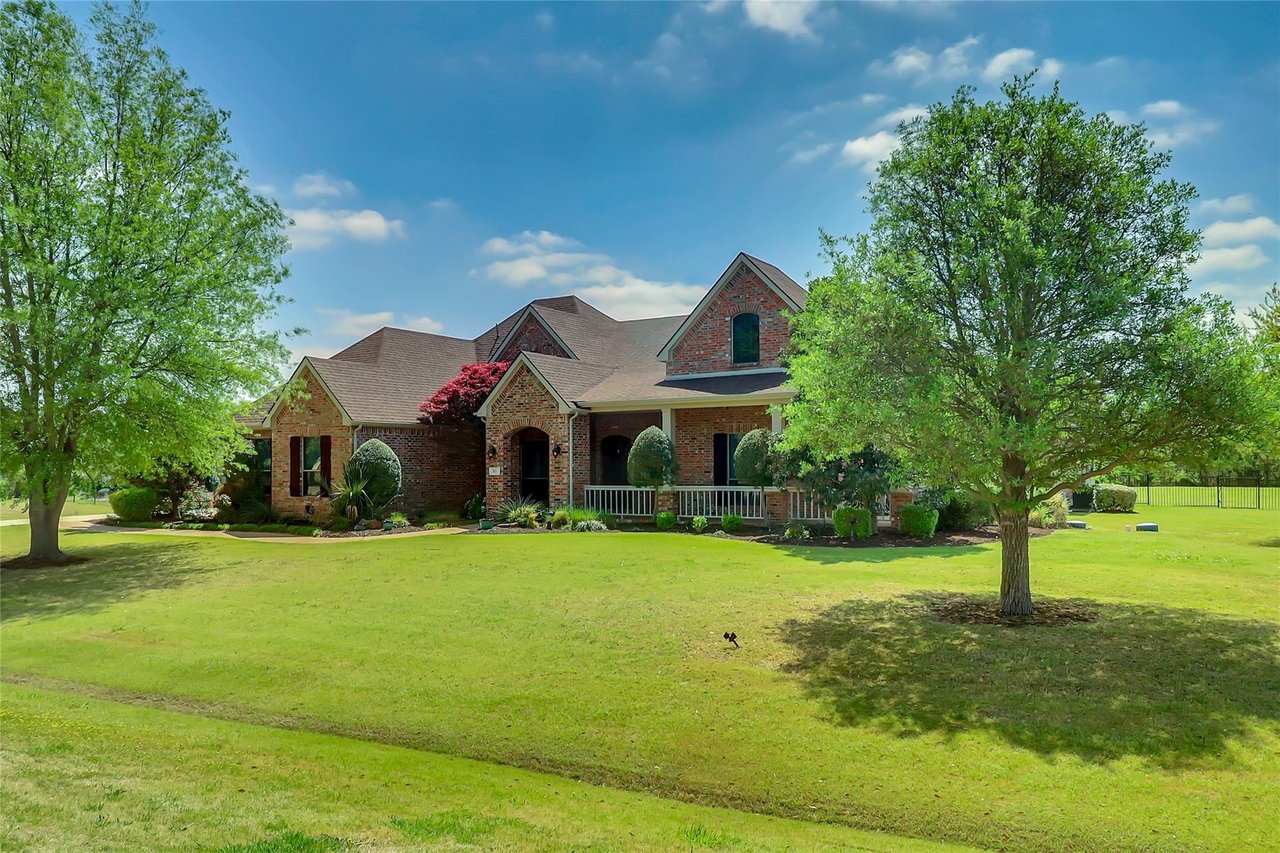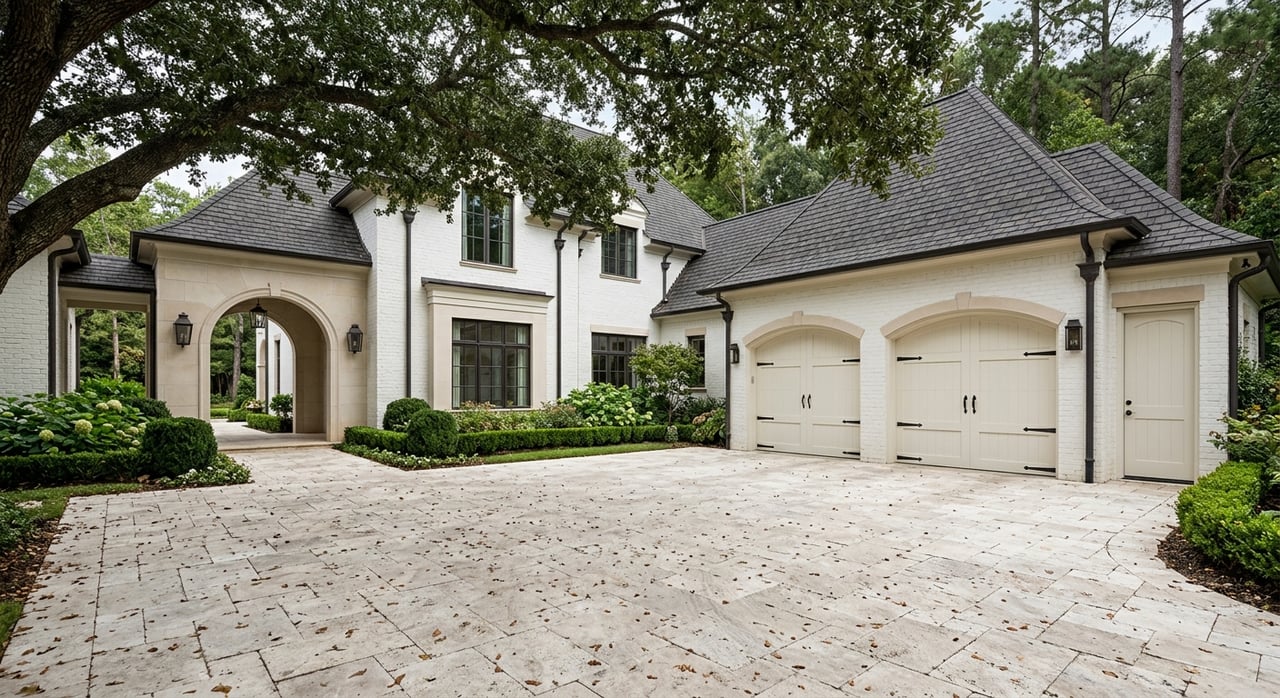
Thinking about buying acreage in Lucas without being here in person? That can feel exciting and risky at the same time, especially when you are sorting through estate properties, custom homes, utility questions, and records that do not always tell the whole story at a glance. The good news is that a smart remote process can help you verify what matters before you commit, so you can move forward with more confidence. Let’s dive in.
Why Lucas acreage needs a careful process
Lucas is a small Collin County city with an estimated 2024 population of 8,840, a 92.3% owner-occupied housing rate, and a median owner-occupied home value of $941,900. In a market like this, acreage and estate properties often come with more moving parts than a typical suburban home purchase. That makes address-level verification especially important.
If you are relocating from out of area, it helps to treat each property like its own mini project. In Lucas, details like city limits, zoning, septic setup, floodplain status, road access, and school assignment can all vary by address. A polished listing presentation is helpful, but the records and property-specific checks are what protect your decision.
Start with parcel and deed records
Your first step should be confirming the tract itself. Collin CAD is the fastest starting point to review acreage, location, appraised context, tax information, GIS mapping, and homestead details. For remote buyers, this creates the baseline for everything else.
After that, check the legal history through the Collin County Clerk. The county notes that its online land-record database is not the official repository of real property records and may be redacted or incomplete, so this step is about verification, not assumptions. You want the deed, plat, survey, and appraisal record to describe the same tract.
What to confirm early
- Parcel boundaries and stated acreage
- Legal description consistency across records
- Plat availability and subdivision context
- Ownership history and recorded documents
- Taxing context shown in the CAD record
This early record review can save you from chasing the wrong property details later. It is also one of the best ways to spot issues before inspections and contract deadlines begin stacking up.
Check whether the tract is inside Lucas
Before you think about improvements, additions, or future plans, confirm whether the property sits inside Lucas city limits. Lucas zoning rules apply within the city’s corporate limits and function as the minimum development standard for health, safety, and welfare. That matters if you are buying with plans for a barn, pool, detached garage, shop, or custom build.
If a property is in the city, Lucas permit and zoning requirements become part of your due diligence. The city’s zoning packet shows the kind of site-specific information that matters, including a vicinity map, survey lines, nearby roads and driveways, adjacent uses within 500 feet, and statements about transportation and water or wastewater impacts. For a remote buyer, that is exactly why a survey overlay, live video walk-through, and drone footage are so valuable.
When a variance may matter
Some acreage buyers have unique plans for a homesite or accessory structure. Lucas notes that deviations from current development standards may require a Board of Adjustment hearing or approval. If your vision depends on something unusual, it is worth identifying that issue before you get emotionally attached to the property.
Verify water, septic, and wastewater
Utilities are one of the biggest acreage variables in Lucas. Some properties may rely on city water, private septic, or a mix of both, and edge-of-city tracts can have different utility cost considerations because Lucas publishes separate in-city and out-of-city water and wastewater base rates.
For septic, Texas requires permits for on-site sewage facilities in most cases, and local permitting authorities can be stricter than state minimums. Lucas requires a stamped septic application for new construction and final septic approval before a certificate of occupancy. That means septic is not a side issue for acreage. It is a core buying question.
A common acreage misconception
You may hear about the Texas 10-acre rule and assume larger land automatically avoids septic permitting. That is not the default. TCEQ describes it as a narrow exception that applies only when all listed conditions are met, including tract size, setbacks, on-site disposal, single-family use, and no nuisance or groundwater pollution.
Utility questions to answer
- Is the property served by city water, septic, or another combination?
- Are there existing permits or approvals tied to the current setup?
- If you plan to build or expand, will septic review affect the project?
- Is the tract in-city or out-of-city for utility rate purposes?
Understand agricultural appraisal before you rely on it
Many remote buyers assume acreage automatically comes with favorable agricultural tax treatment. In Lucas, that is not how it works. Collin CAD says open-space agricultural appraisal generally requires qualifying agricultural use for at least five of the preceding seven years.
If the land is inside city limits, it must also satisfy an extra city-services or five-year continuous-use condition. Applications are due after January 1 and before May 1, and late filings can trigger a 10% penalty on the tax difference. The key takeaway is simple: ag valuation depends on use history and application status, not parcel size alone.
What to review on ag status
- Whether the land currently has agricultural appraisal
- Whether the use history appears to qualify
- Whether the current application was filed on time
- Whether city-limit rules create extra requirements
This is an area where remote buyers should avoid assumptions. A tax picture that looks attractive at first glance may change if the use history or filing status does not support the appraisal.
Review outbuildings and future improvement plans
Acreage buyers often purchase with a future to-do list in mind. That could include a detached garage, a larger shop, a pool, fencing changes, or even a new custom home. In Lucas, those ideas need to be filtered through permit and inspection requirements.
The city has adopted the 2024 International Family of Codes and the 2023 National Electrical Code. Lucas says any new single-family dwelling requires a building permit, accessory buildings over 200 square feet require a permit, and all new homes must include a fire suppression system. Inspections are scheduled through the city’s online portal.
For many acreage properties, improvements can also trigger survey-based review, drainage review, engineering requirements, or septic impact approval. Lucas specifically calls for plot plans with setbacks, driveways, drainage arrows, and engineered foundation plans when required. If a property only works for you with certain upgrades, confirm the path before closing.
Use video and drone tours the right way
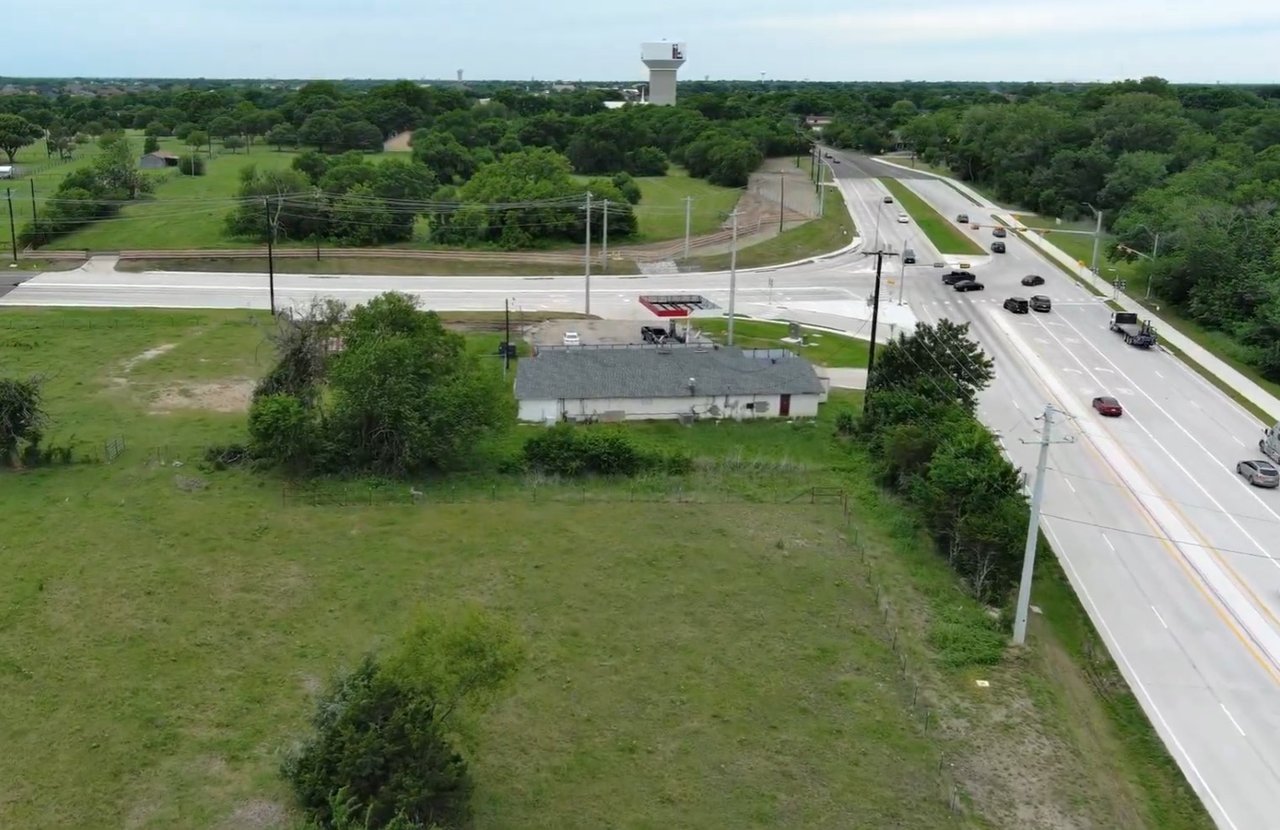
Remote buying works best when digital media is used as a verification tool, not just a marketing tool. In Lucas, where tract shape, drainage, tree placement, fencing, neighboring uses, and driveway access can materially affect value, a well-planned video or drone session can reveal things standard photos may miss.
This is where premium visual assets become practical, not just polished. A strong remote tour should help you evaluate boundary lines, how improvements sit on the land, whether water appears to collect in certain areas, how the driveway meets the road, and what surrounds the property nearby.
What to look for in a remote tour
- Fence lines and visible boundary markers
- Drainage flow and low spots
- Tree coverage and open usable land
- Outbuilding placement and access
- Road frontage, gate access, and driveway condition
- Nearby uses that may affect privacy or function
Do not skip flood, drainage, and road review
Flood and drainage deserve their own checkpoint. Lucas Public Works manages drainage infrastructure, stormwater quality, and floodplain management, while FEMA is the official source for flood-hazard mapping. Collin County also publishes floodplain management regulations, so you should review both mapping and local rules before removing contingencies.
Road access and commute patterns also matter more than many relocation buyers expect. Lucas has roadway projects that can shape travel routes and traffic flow, including the Angel Parkway expansion tied to commuting demand and the FM 1378/FM 3286 project involving right-of-way and utility relocation work. Even if you love the house, a change in access or daily drive pattern can affect long-term satisfaction.
Closing checks that can change your decision
- Floodplain status
- Drainage conditions on the site
- Current and planned road work nearby
- Driveway access and route efficiency
- Any utility or right-of-way impacts
Confirm school assignment by address
One of the easiest mistakes in Lucas is assuming the school district by city name. The City of Lucas says the city is served by six public school districts, and boundaries cross city limits. The listed public districts are Allen, Lovejoy, McKinney, Plano, Princeton, and Wylie ISDs, along with Lucas Christian Academy as a private option in town.
For that reason, school assignment should always be confirmed by the exact property address. If school zoning is part of your search, verify the attendance zone before you make a decision or remove contingencies. City name alone is not enough.
A practical remote buying roadmap
If you want a clean process, keep your due diligence in a clear order. In Lucas, the most effective remote-buying sequence matches the way local records, zoning review, and property conditions actually work.
Step 1: Pull CAD and county-clerk records
Start with Collin CAD and the Collin County Clerk to confirm acreage, legal description, plat, ownership history, and taxing context. This gives you the paper trail first.
Step 2: Review zoning packet, plat, and survey
Use the city’s zoning checklist and the property survey to understand setbacks, adjacent uses, roads, and site layout. This is where future plans start getting tested against reality.
Step 3: Use live video or drone review
Have the property visually reviewed for boundaries, drainage, driveways, trees, fences, and surrounding uses. This step helps bridge the gap between records and what the land actually feels like.
Step 4: Order the right specialists
Depending on the property, that may include title, survey, septic, foundation, and engineering professionals. Acreage purchases usually reward a more tailored inspection team.
Step 5: Confirm final decision items
Before removing contingencies, verify floodplain status, school assignment, commute route, and any road or access concerns. These are the details that often look small at first and feel big after closing.
If you are relocating to Lucas for land, privacy, and a custom-home lifestyle, a remote purchase can absolutely work. The key is having a local, process-driven approach that verifies the tract, the utilities, the records, and the future use before you commit. When you want experienced guidance on Lucas estate and acreage properties, the Grisak Group can help you buy with more clarity and less friction.
FAQs
What records should you review first for a Lucas acreage purchase?
- Start with Collin CAD for parcel, acreage, map, and tax context, then compare that information with deed and plat records through the Collin County Clerk.
How do you verify septic or utility service for a Lucas property?
- Confirm whether the property uses city water, septic, wastewater service, or a combination, and review any permitting or approval requirements that may affect current use or future improvements.
Does acreage in Lucas automatically qualify for agricultural appraisal?
- No. Collin CAD says qualification depends on use history and filing status, and land inside city limits may have additional requirements.
How do school districts work for homes in Lucas?
- The City of Lucas says the city is served by multiple public school districts, so attendance zones should be confirmed by exact address rather than by city name.
Why do floodplain and road projects matter in a Lucas relocation purchase?
- Floodplain status, drainage conditions, and roadway projects can affect access, usability, commute patterns, and long-term satisfaction with the property.